

There was once a time when becoming an interior designer in Singapore meant something very specific.
You either studied design formally, apprenticed under experienced designers, survived years of site coordination, understood materials, proportions, lighting, technical drawings, detailing, carpentry tolerances, waterproofing failures, human behaviour, spatial planning and eventually earned your stripes through years of battle scars.
Today?
You can become an "ID" after three months on TikTok. Or after your condo renovation goes viral. Or after posting enough aesthetic reels with lo-fi music and captions like:
"POV: transforming another dream home."
-
Some are former live streamers.
-
Some are influencers.
-
Some are actors.
-
Some are personalities fresh out of reality TV.
-
Some simply have a large enough audience to monetise trust.
And honestly, I understand why this is happening.
The shift is not unique to renovation. Across many industries, visibility increasingly shapes trust. The difference is that renovation decisions often carry consequences that homeowners live with for years.

Homes Are Content Now
A renovation reveal is no longer just a renovation reveal.
It is entertainment.
It is social currency.
It is lifestyle branding.
Algorithms reward aesthetics, emotion and personality far more than technical competence, and unfortunately, homeowners are human.
We naturally gravitate toward familiarity.
If someone feels famous, charismatic or popular online, many people subconsciously interpret that visibility as credibility.
But popularity and capability are not always the same thing.
This is where things become dangerous.
Because unlike buying skincare products or fashion accessories, renovation is a deeply technical and financially consequential industry.

When Design Mistakes Last for Years
A badly designed home does not just inconvenience you for one weekend.
You may live with the consequences for five to ten years.
-
Poor waterproofing.
-
Bad ventilation.
-
Unsafe electrical planning.
-
Impractical layouts.
-
Unresolved defects.
-
Budget overruns.
-
Contract disputes.
-
Mismatched expectations.
These are not content problems.
They are life problems.
Yet the line between entertainer, influencer, marketer and actual designer has become increasingly blurred.
To be fair, this shift is not entirely bad.
Some newcomers genuinely bring fresh energy into the industry.
They understand branding, storytelling, customer experience and communication far better than many traditional firms.
Some are excellent at simplifying design ideas for younger homeowners.
Others help make the renovation world feel less intimidating and more accessible.
The Old Industry Was Not Perfect Either
For decades, interior design firms themselves recruited heavily from outside the design world.
Salespeople became “design consultants”.
Relationship managers became “project designers”.
Some firms prioritised conversion skills over design capability because the reality is this:
The renovation business has always been part sales business.
And many homeowners do not actually choose designers based on technical drawings.
They choose based on rapport.
-
Who feels trustworthy.
-
Who replies fastest.
-
Who speaks confidently.
-
Who feels “safe.”
Now social media has amplified this behaviour exponentially.
-
Attention creates familiarity.
-
Familiarity creates comfort.
-
Comfort creates perceived trust.
And suddenly, a TikTok creator with 300,000 followers may appear more credible than a veteran designer with 20 years of technical experience but poor social media presence.
That is the reality of modern consumer psychology.
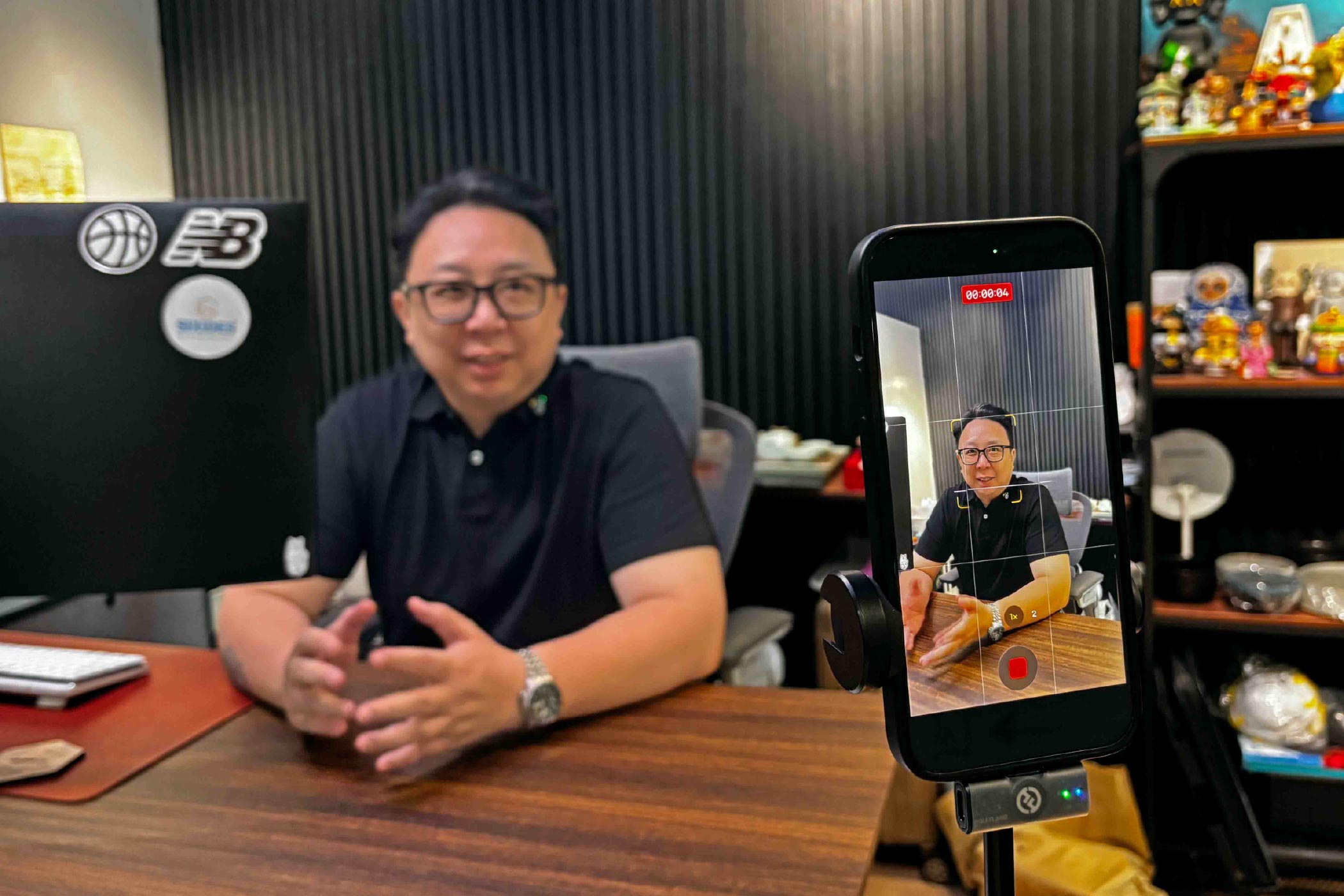
SIXiDES Is Not Innocent
Even SIXiDES is not innocent in this.
We use hooks. We create short-form videos. We experiment with emotional storytelling and attention-grabbing campaigns.
In reality, if you do not capture attention today, you become invisible tomorrow.
That is the brutal truth of the digital economy.
However, I think the industry also needs to pause and ask itself an uncomfortable question:
“What happens when renovation becomes driven more by performance than by proficiency?”
When the ability to trend becomes more valuable than the ability to design responsibly?
Because eventually, homeowners may struggle to differentiate:
-
actual designers
-
salespeople
-
creators
-
influencers
-
marketers
-
personalities
-
trained professionals
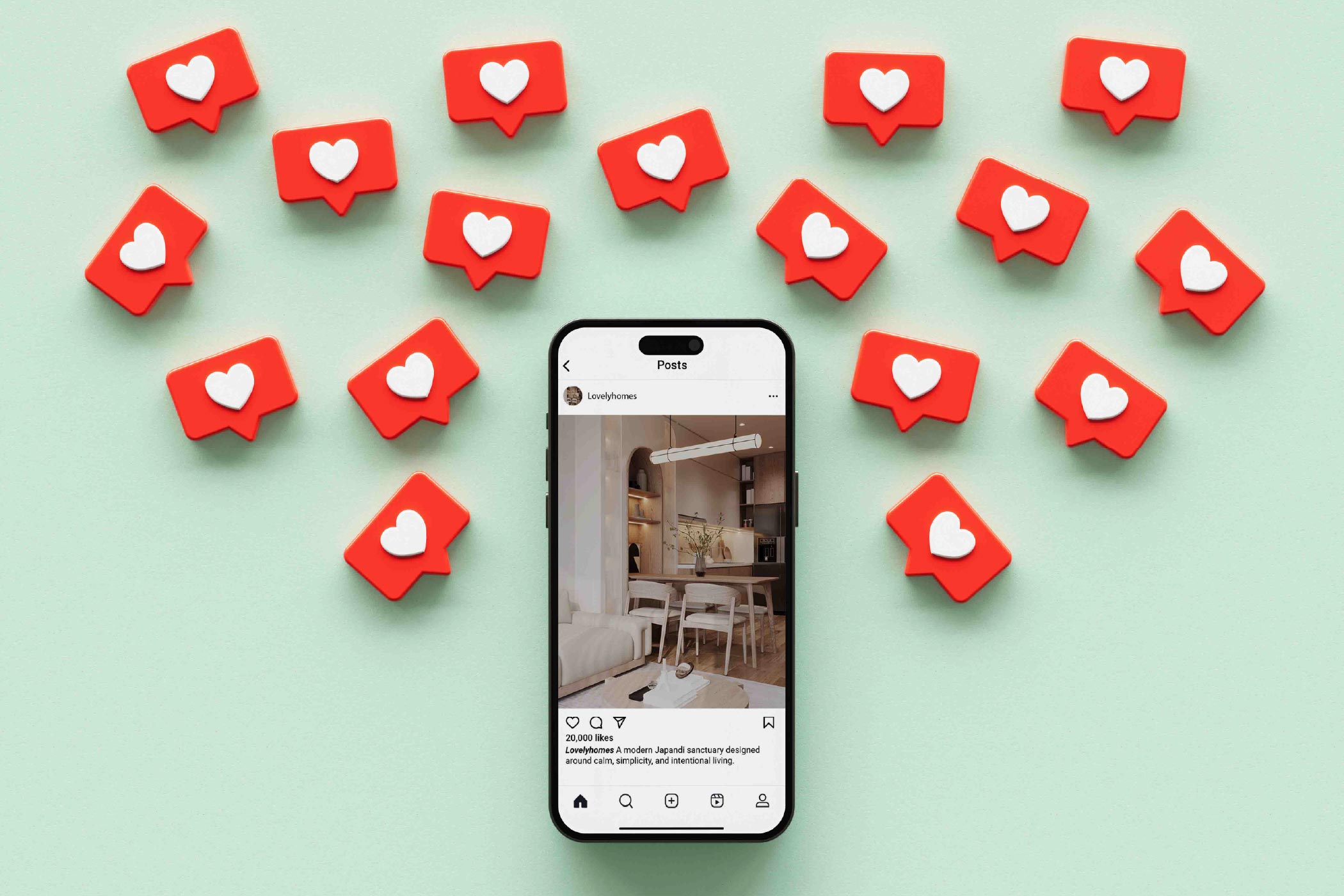
Eventually, when everything becomes content, trust itself starts becoming distorted.
A beautiful reel does not show project management failures.
A cinematic walkthrough does not reveal delayed timelines.
A viral personality does not automatically translate into technical competency.
When Attention Starts Replacing Expertise
The ugly side of the attention economy is that it rewards perception faster than it rewards substance.
Sadly, this creates pressure across the entire industry.
Good designers now feel forced to become content creators.
Firms feel pressured to chase virality.
Even suppliers increasingly prioritise influencer partnerships over technical education.
Sometimes I wonder if we are slowly designing homes for algorithms instead of humans.
-
Homes optimised for camera angles.
-
For social media reveals.
-
For “wow factor.”
-
For engagement.
But not necessarily for longevity, functionality or healthier living.
The irony is this:
Interior design is one of the few industries where the consequences of poor decisions only reveal themselves over time.
Six months later.
One year later.
Three years later.
Long after the views are gone.
Perhaps this is why homeowners today feel more overwhelmed than ever before despite having more information available than any generation before them.
Because information is no longer the problem.
Discernment is.
The Question We Constantly Ask Ourselves
At SIXiDES, this is also why we constantly wrestle with this tension ourselves.
-
How do we remain engaging without becoming superficial?
-
How do we use media responsibly without turning renovation entirely into entertainment?
-
How do we attract attention while still encouraging homeowners to think deeper?
We do not claim to have all the answers.
However, I do think the future of this industry cannot merely depend on who shouts the loudest online.
Eventually, substance must matter again.
Because when the cameras stop rolling and the hashtags fade away, homeowners still have to live inside the spaces we create.
And that is what really matters.
Frequently Asked Questions About Choosing an Interior Designer in Singapore
Does social media popularity make someone a good interior designer?
Not necessarily. Social media can showcase creativity and communication skills, but homeowners should also assess technical experience, project management capabilities and renovation track records.
Why do some interior designers have large online followings?
Many designers and firms use social media to showcase their work, educate homeowners and build brand awareness. A strong online presence can help homeowners discover renovation professionals more easily.
What should homeowners look for beyond social media content?
Homeowners should review project portfolios, renovation experience, client feedback, communication style, quotation transparency and overall suitability for their project.
Is renovation primarily a design business or a sales business?
In reality, it is both. Successful renovation projects often require technical design knowledge, project management skills and strong client communication.
How can homeowners make more informed renovation decisions?
Look beyond aesthetics and online popularity. Evaluate experience, processes, transparency and whether the professional can support your renovation needs over the long term.


