

A few years ago, one of the loudest conversations in Singapore's interior design industry was:
"Say No To Free Design."
Industry associations, designers and firm owners rallied around the idea.
The argument was simple enough.
Design had value.
Designers invested time, expertise and creativity into developing concepts and proposals.
Giving away design work for free devalued the profession.
At that time, I agreed with much of the sentiment.
Then AI happened.
Suddenly, the entire debate feels strangely outdated.
The conversation is no longer about protecting design presentations. It is about understanding where genuine design value truly resides in an age where visualisation has become almost effortless.
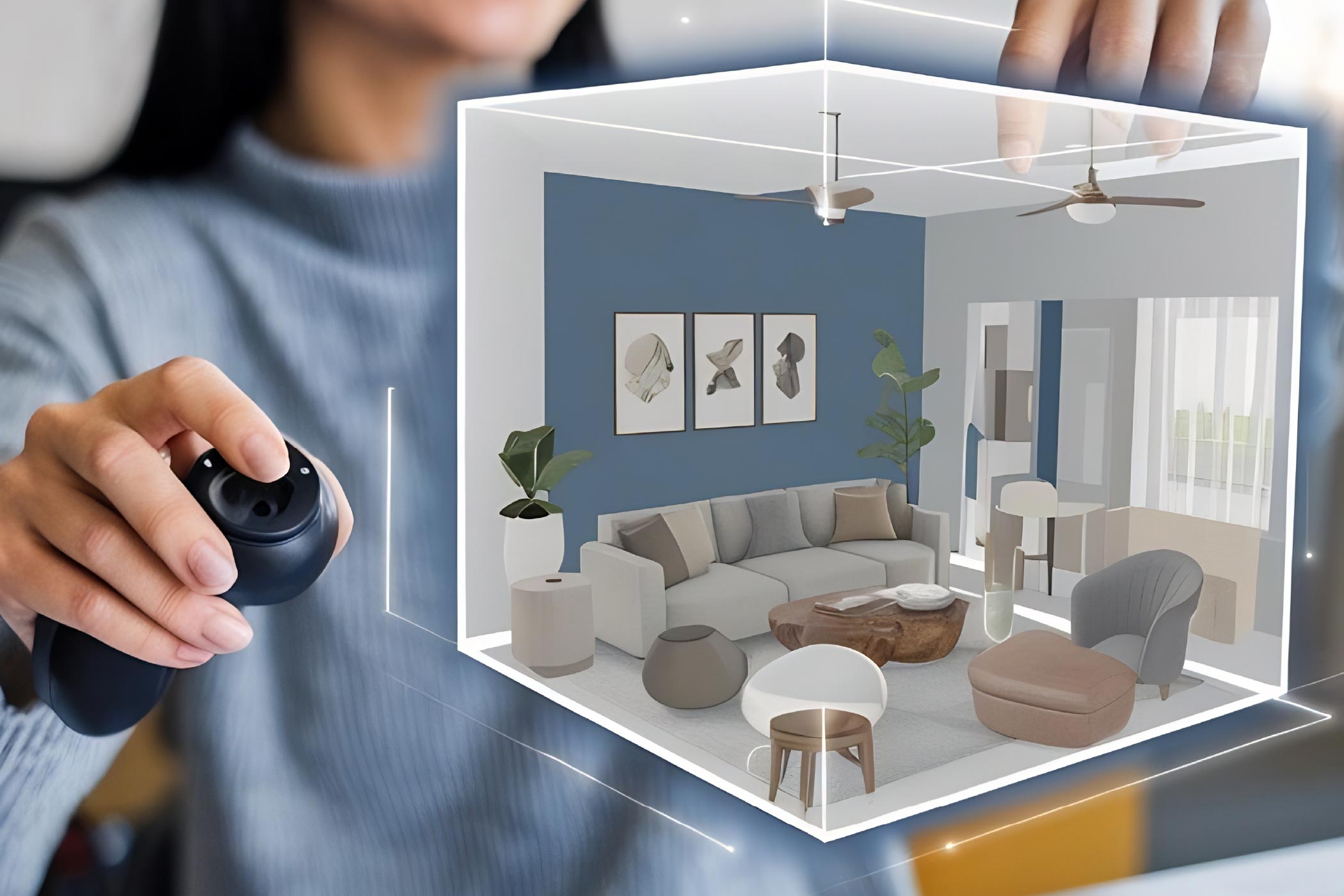
Today, a homeowner can upload a photo of their living room, type a few prompts, and receive ten different design concepts before finishing their morning kopi.
How AI Is Reshaping Interior Design
Modern AI tools can generate mood boards, space planning suggestions, furniture selections and photorealistic renders within minutes.
Some are already producing outputs that rival junior designers.
Others can generate hundreds of design variations faster than any design team could ever dream of.
So let's ask the uncomfortable question.
If a machine can produce a render in 30 seconds, what exactly are we protecting when we insist that design presentations should never be free?
The reality is that AI has fundamentally changed the economics of design.
Tasks that once took days can now be completed in minutes.
Specialised software is increasingly being replaced by everyday tools, and technical rendering skills are no longer the barrier they once were.
The genie isn't going back into the bottle.
And perhaps it shouldn't.
This is because I don't think AI is killing interior design.
I think it is exposing what interior design was never meant to be in the first place.
A Render Is Not a Design
For years, many homeowners confused design with visualisation.
They thought the render was the design.
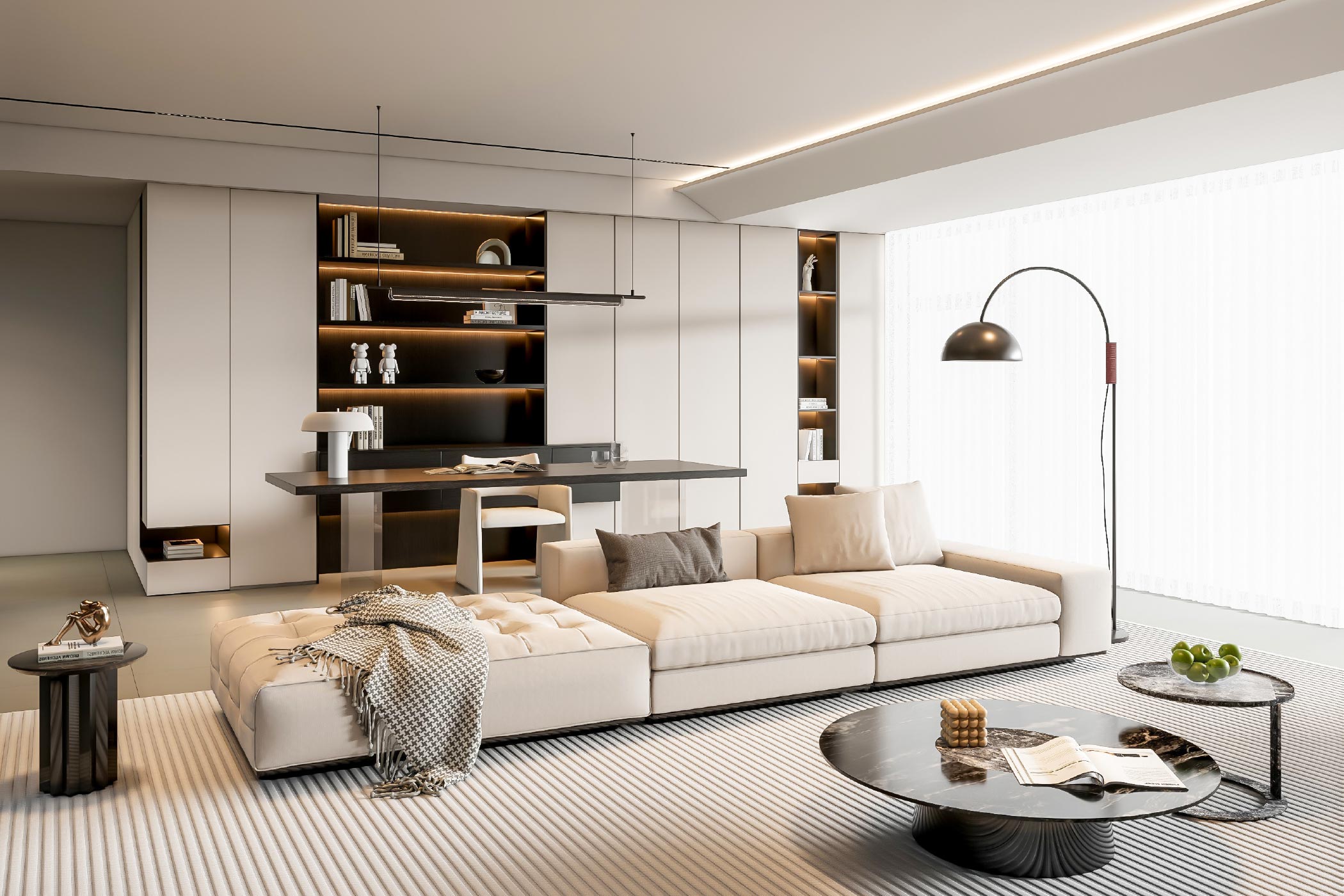
However, a render was always just a picture.
A design is a decision.
A render shows what something could look like.
A designer explains why it should exist.
Those are very different things.
This is why I believe Singapore's renovation and interior design industry is heading toward a massive separation.
On one side will be mainstream renovation.
On the other will be actual design.
And they are not necessarily the same thing.
The mainstream market, HDB flats, condominiums, resale renovations and everyday homeowners, will increasingly use AI as a thinking accelerator.
Homeowners will arrive at consultations with AI-generated concepts already in hand.
They will have explored Scandinavian, Japandi, Wabi-Sabi, Modern Luxury and Minimalist themes before speaking to a single designer.
-
AI will help them refine their thoughts.
-
It will help them discover preferences.
-
It will help them articulate ideas.
In many ways, AI becomes the world's largest design assistant.
What happens after that is where human expertise still matters.
Because eventually somebody needs to answer questions like:
-
Can that wall be hacked?
-
Will this affect the air-conditioning layout?
-
Can the concealed lighting actually be installed?
-
What is the cost implication?
-
Does this comply with HDB regulations?
-
Will this material survive a family with three children and a dog?
-
Can this be maintained five years from now?
AI Can Imagine. It Cannot Execute.
AI can imagine.
But someone still needs to execute.
Which is why I suspect the future "ID" may increasingly look more like a renovation consultant than a traditional designer.
Someone who understands technical coordination such as:
-
Project management
-
Construction sequencing
-
Materials
-
Budgeting
-
Risk management
-
Contract administration
In other words, someone who helps turn AI-generated aspirations into reality.
The irony is that the industry's future may actually become less about decorating and more about problem-solving.
Meanwhile, true blue design will likely become more specialised and more valuable.
Not less.
-
Architects
-
Environmental designers
-
Sustainability consultants
-
Specialists who can discuss passive design strategies
-
Biophilic design principles
-
Circular economy concepts
-
Daylight harvesting
-
Thermal comfort
-
Indoor environmental quality
-
Behavioural design
These are conversations AI can imitate but not necessarily lead.
Because genuine design thinking is not about choosing between walnut laminate or oak laminate.
It is about understanding how environments influence human behaviour and wellbeing.
That requires a level of synthesis, judgement and accountability that goes beyond image generation.
AI May Be the Industry Reset We Needed
Ironically, AI may end up doing something the industry has failed to do for years.
It may force us to finally distinguish between:
-
Styling and design
-
Rendering and thinking
-
Renovation and architecture
-
Visualisation and expertise
The winners of the next decade may not be the designers who resist AI.
They may be the ones who understand how to collaborate with it.
The firms that use AI to shorten ideation cycles.
The contractors who use AI to improve project planning.
The consultants who use AI to communicate complex ideas more effectively.
The platforms that help homeowners navigate choices faster and with greater confidence.
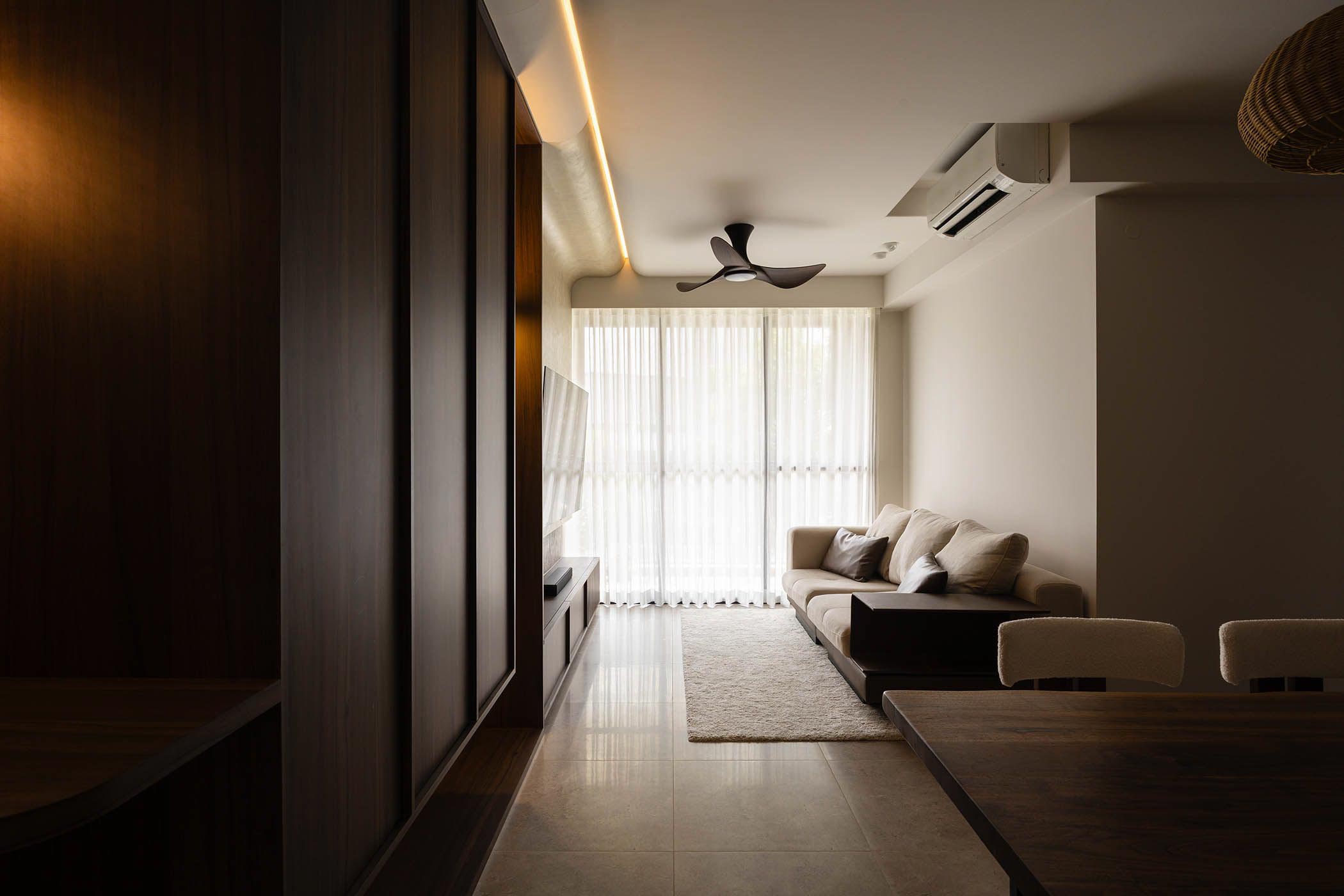
Image Credits: Ruuts
The Debate Was Never About Free Design
Perhaps that is where the industry is heading.
A future where AI generates.
Homeowners curate.
Renovators refine.
Contractors execute.
And genuine designers focus on solving bigger questions.
Not what a home looks like.
But how a home should perform.
The debate is no longer whether design should be free.
It is whether we still understand what design actually is.
And that, in my opinion, is a far more important conversation to have.
Frequently Asked Questions About AI and Interior Design in Singapore
Can AI replace interior designers?
AI can assist with visualisation and idea generation, but renovation projects still require technical knowledge, project management, budgeting and execution expertise.
Can AI generate renovation designs?
Yes. Many AI tools can generate concepts, mood boards and renders based on prompts or uploaded photos.
What is the difference between a render and a design?
A render visualises an idea. Design involves decision-making, planning, feasibility, functionality and execution.
How are interior designers using AI today?
Many designers use AI to accelerate ideation, explore design directions, communicate concepts and improve workflow efficiency.
What skills will matter most for future interior designers?
Project management, technical coordination, construction knowledge, sustainability, behavioural design and problem-solving are likely to become increasingly important.


