

For years, the renovation model in Singapore followed a familiar structure. Homeowners engaged an interior designer, the designer proposed a concept, and much of the furniture, fittings, and materials were sourced through the designer’s network.
Today, that model is evolving.
Increasingly, homeowners are taking ownership of parts of the renovation journey themselves, especially when it comes to furniture, decor, lighting, and online purchases from platforms like Taobao.
What we are witnessing is not the disappearance of interior designers, but the rise of a more hybrid renovation ecosystem.
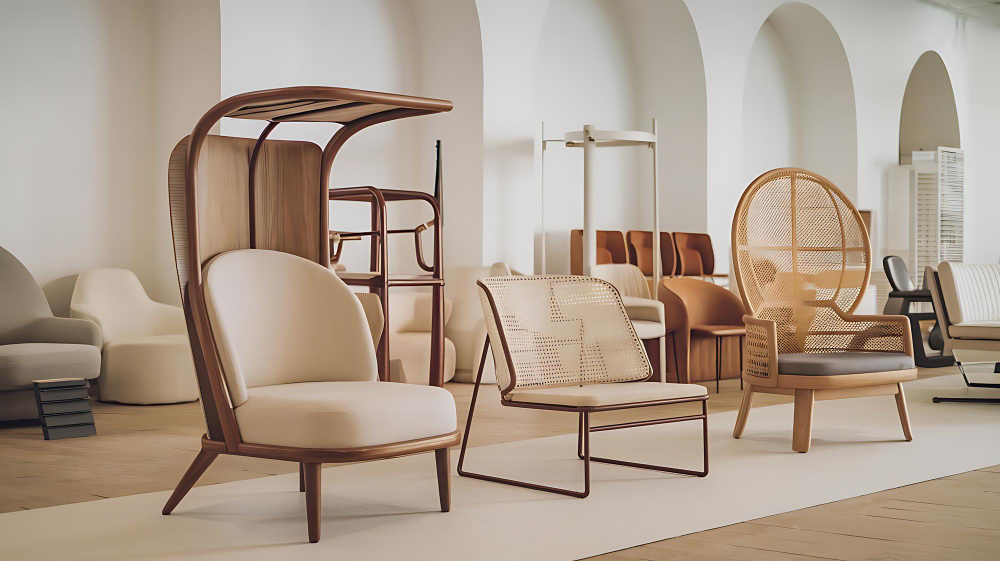
A New Shift Is Happening in Singapore Renovation
There’s a quiet shift happening in the renovation world, and if you’ve been paying attention to homeowner conversations, especially online, you would have noticed it.
It usually starts with a sentence like this:
“The renovation we let the ID handle, but the furniture we buy from Taobao.”
Sometimes it goes further.
-
The light fixtures come from Taobao
-
The dining table comes from Taobao
-
The bar stools, bathroom mirrors, kitchen sink, and tap mixers also come from Taobao
And increasingly, even things that used to sit firmly within renovation scope, island counters, shelving systems, and bathroom vanities, are now being sourced directly by homeowners online.
What we’re seeing is the rise of a new archetype in the renovation ecosystem.
The Taobao Designer.
Not an actual designer, of course.
But a new kind of homeowner.
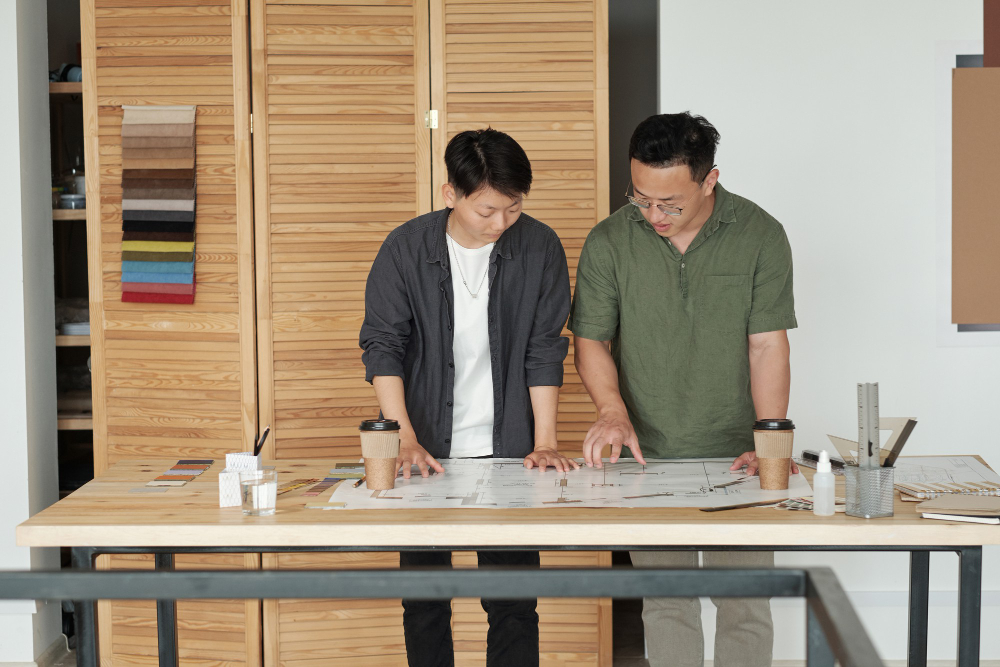
The Rise of the Hybrid Renovation Model
Traditionally, the renovation model in Singapore was fairly straightforward.
Homeowners engaged an interior designer. The designer proposed a concept. Materials, fixtures, fittings, and furniture were sourced through the designer’s supply network.
The designer curated the space, managed procurement, and handled installation.
Today, that model is slowly evolving into something more hybrid.
The designer still handles the core renovation:
-
carpentry
-
layout changes
-
lighting plans
-
tiling
-
construction works
But homeowners are increasingly taking control of the looser elements of the home.
-
furniture
-
decor
-
lighting pieces
-
small fixtures
And they’re sourcing these themselves.
Often from Taobao.

Why More Singapore Homeowners Are Buying From Taobao
There are three main reasons this shift is happening.
1. Price Transparency
Taobao exposes the true cost of many items.
A pendant light that might retail for $350 locally could be found online for $60 or $80. A designer chair selling for $900 in a showroom might be available for a fraction of that price.
Whether the quality is identical is another debate, but the price difference is visible and immediate.
For budget-conscious homeowners, the temptation is obvious.
2. Design Discovery Through Social Media
Platforms like Pinterest, Instagram, and Xiaohongshu have fundamentally changed how homeowners think about interior design.
Ten years ago, homeowners relied heavily on designers for inspiration.
Today, many arrive at their first design consultation with Pinterest boards already curated.
-
They’ve seen the look they want
-
They’ve identified the pieces they like
-
And often, they’ve already located them online
Taobao becomes the procurement engine for these discoveries.
3. The Digital-Native Homeowner
Younger homeowners are simply more comfortable buying online.
-
They buy clothes online
-
Electronics online
-
Even groceries online
Buying furniture or home accessories from Taobao feels like a natural extension of that behaviour.
Add in parcel consolidation services, Taobao agents, and a growing ecosystem of logistics support in Singapore, and suddenly the process becomes surprisingly manageable.

Does This Change the Role of the Interior Designer?
This is where the debate begins.
Some designers see this trend as a threat. If homeowners are sourcing their own furniture, lights, and fittings, then a portion of the traditional designer margin disappears.
Procurement, which was once a meaningful part of the renovation business model, starts shrinking.
But the more interesting question is this:
-
Is the designer’s role really about procurement?
-
Or is it about space-making?
Because when you strip everything away, the hardest parts of renovation are still the same.
-
spatial planning
-
lighting strategy
-
material coordination
-
proportions and scale
-
construction management
A beautiful home is not created by simply buying beautiful things.
It’s created by how those things come together.
The Evolution of Interior Designers in Singapore
In some ways, the rise of the Taobao homeowner may actually push the profession to evolve.
Designers who relied heavily on product markups may feel the squeeze. But designers who focus on concept, layout, and spatial experience will still remain invaluable.
If anything, the designer’s role may shift slightly toward becoming more of a curator and advisor.
-
Helping homeowners avoid mistakes
-
Ensuring Taobao items actually fit the space
-
Ensuring electrical points align with imported lights
-
Ensuring sinks fit the carpentry cut-outs
Because anyone who has tried ordering home products online will eventually discover the truth:
Measurements matter, and mistakes are expensive.
The Reality of Hybrid Homes
The future of renovation is not fully designer-led.
And it’s not fully DIY either.
It’s hybrid.
A collaboration.
The designer handles what must be right:
-
space planning
-
proportions
-
lighting
-
construction
The homeowner takes ownership of what can be personal:
-
furniture
-
fixtures
-
decor finds
-
small discoveries along the way
Because today’s homeowner doesn’t just want a finished home.
They want a hand in creating it.
So no, the Taobao designer isn’t replacing the interior designer.
It’s redefining the relationship.
Designers are no longer simply renovators or sources of renovation products
They are becoming anchors of the process.
And homeowners are no longer passive clients.
They are active participants.
Because in the end, a home is not defined by where you bought the pieces.
It’s defined by how the space comes together, and more importantly, who it is lived by.
Frequently Asked Questions About Taobao and Home Renovation in Singapore
Why are Singapore homeowners buying furniture from Taobao?
Many homeowners are drawn to Taobao because of lower prices, wider product variety, and easier access to design inspiration through social media platforms like Pinterest and Xiaohongshu.
Is buying renovation items from Taobao cheaper?
In many cases, yes. Items such as lighting fixtures, furniture, and decor pieces can cost significantly less compared to local retail prices, although quality and after-sales support may vary.
Are interior designers still important if homeowners buy from Taobao?
Yes. Interior designers still play a crucial role in spatial planning, lighting strategy, construction coordination, and ensuring all elements work cohesively within the space.
What are the risks of buying renovation items online?
Common risks include incorrect sizing, compatibility issues, shipping damage, installation complications, and differences in product quality from online listings.
What is a hybrid renovation model?
A hybrid renovation model refers to homeowners collaborating more actively in the renovation process, where designers manage core renovation works while homeowners source selected furniture, fixtures, or decor themselves.


