

After weeks or months of renovation, the moment your home finally looks “ready” can feel like a relief.
The dust is gone.
The carpentry is installed.
The space finally looks like the design you planned.
Naturally, most homeowners are eager to move in and close the project with final payment.
However, many renovation disputes in Singapore only surface after homeowners begin living in the space daily. Loose fittings, drainage issues, alignment defects or incomplete rectifications often become more noticeable over time and harder to resolve once the project is officially closed.
In Singapore’s renovation process, handover is not just a formality. It is the final quality checkpoint before financial closure. Once payment is made, your ability to request rectifications becomes significantly more limited.
This is why a structured handover inspection is essential, not just for peace of mind, but to ensure accountability on workmanship, finishing and completeness. Before you release final payment, here is what every homeowner should check.

Carpentry Defects Often Show Up Late
Carpentry is one of the most prominent features in any home — and one of the most common sources of defects. Check for:
-
Alignment of cabinet doors and drawers
-
Smooth soft-close functionality
-
Visible scratches or dents
-
Uneven laminate finishing
-
Gaps between joints
-
Loose handles or fittings
-
Open and close every cabinet individually. Small misalignments often become more noticeable over time.
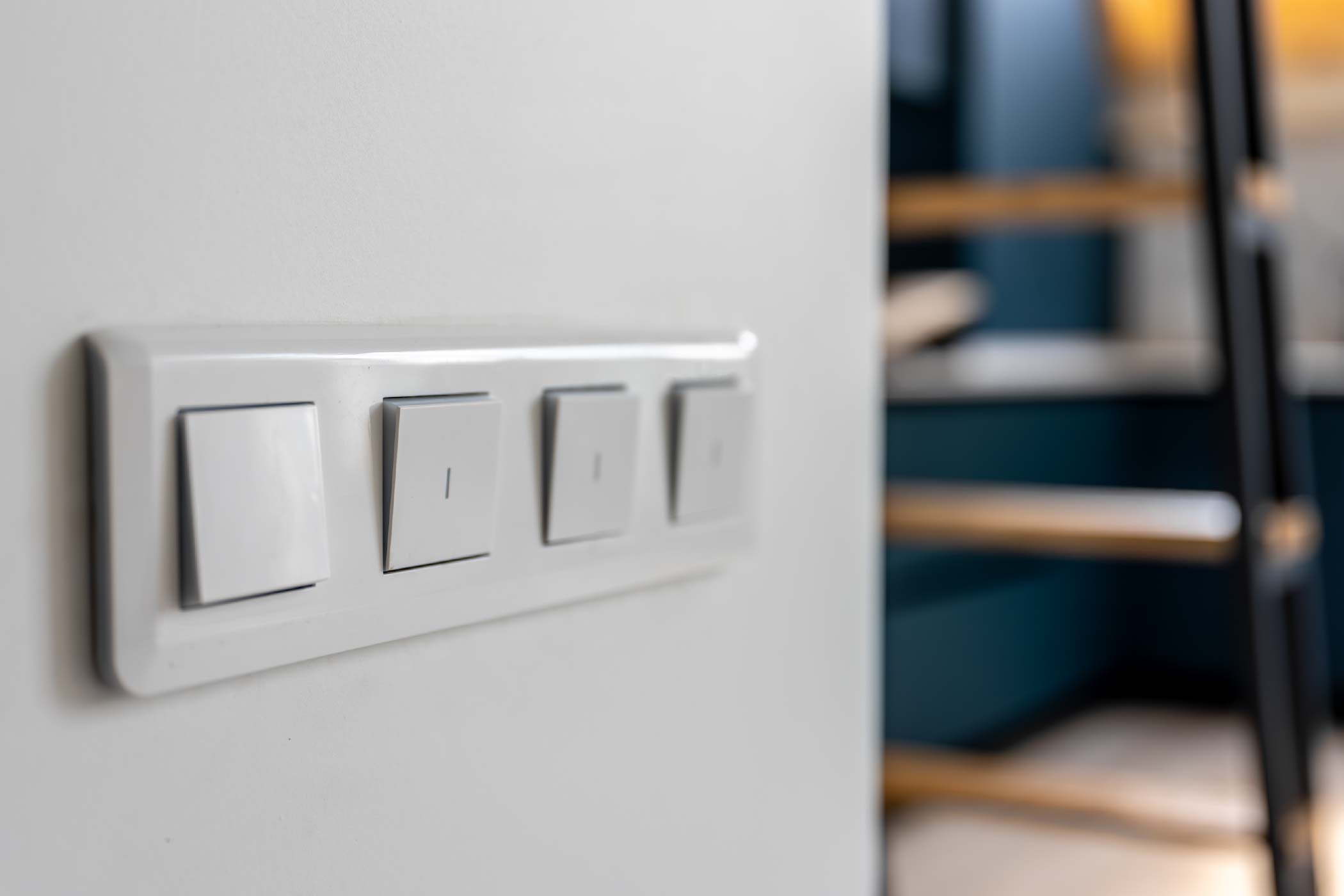
Electrical Problems Are Not Always Visible Immediately
Electrical works should be tested thoroughly before handover is completed. Homeowners should verify the following:
-
All power sockets are functional
-
Switches correspond correctly to fixtures
-
Lighting points are working consistently
-
No flickering or loose connections
-
Appliance points are correctly positioned
-
Do not assume functionality based on appearance alone. Test every point systematically.

Wet Area Problems Can Escalate Quickly
Bathrooms and kitchens require extra attention due to waterproofing and drainage systems, especially in Singapore homes where wet area compliance and proper waterproofing standards under HDB renovation guidelines are strictly regulated.
It is essential to check on the following:
-
Water pressure in all taps and showers
-
Drainage speed in sinks and floor traps
-
Signs of water ponding
-
Silicone sealing around wet areas
-
Any visible leaks under sinks or cabinets
-
Wet area issues can escalate quickly if not addressed early.
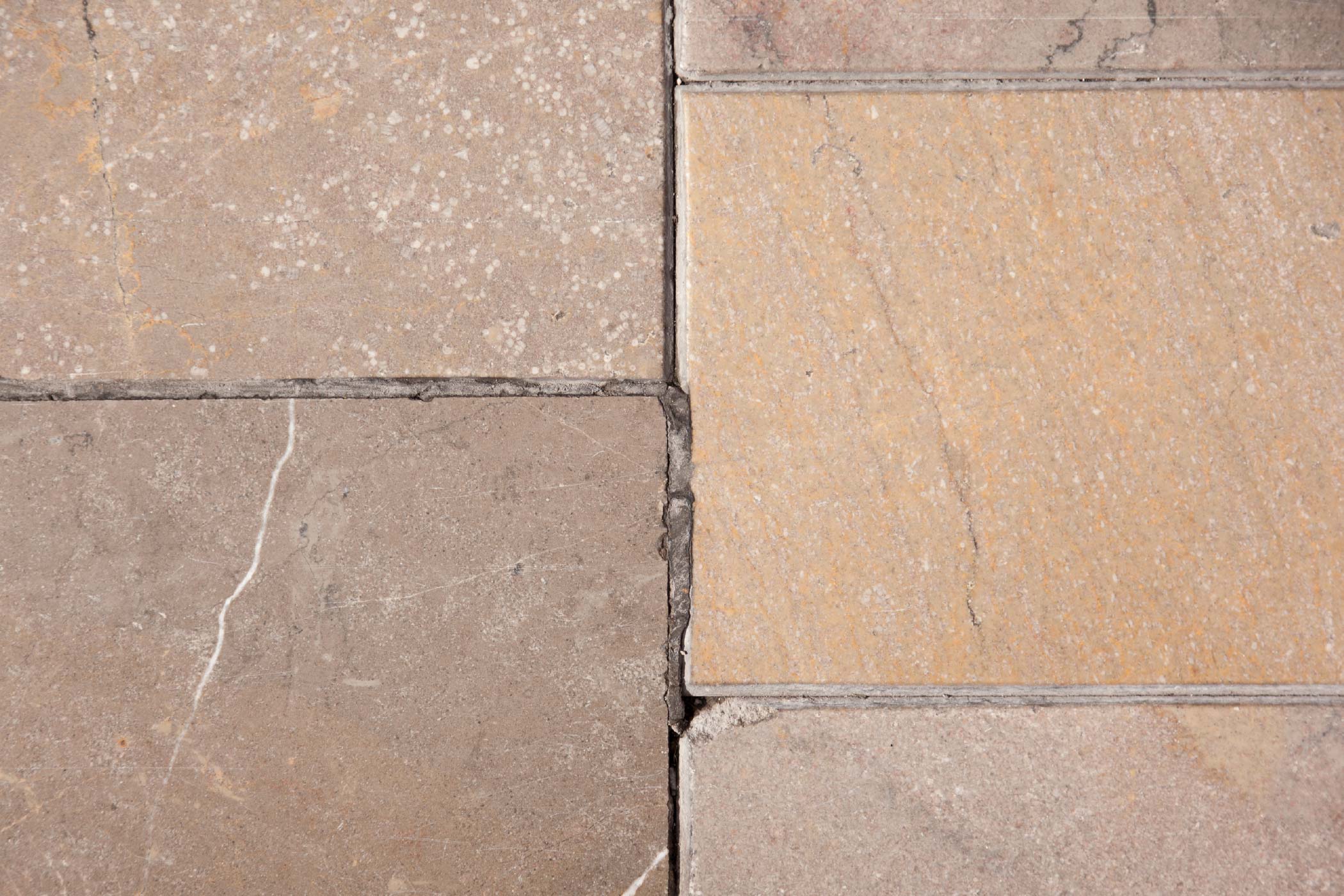
Surface Finishing Defects Are Easier to Fix Before Move-In
Tile and surface work directly affect both aesthetics and long-term durability. Before signing off, do ensure that the following have been inspected for:
-
Hollow-sounding tiles (tap test)
-
Uneven grout lines
-
Chipped tile edges
-
Cracks or surface imperfections
-
Level consistency across flooring
-
Small defects are often easier to rectify before move-in.
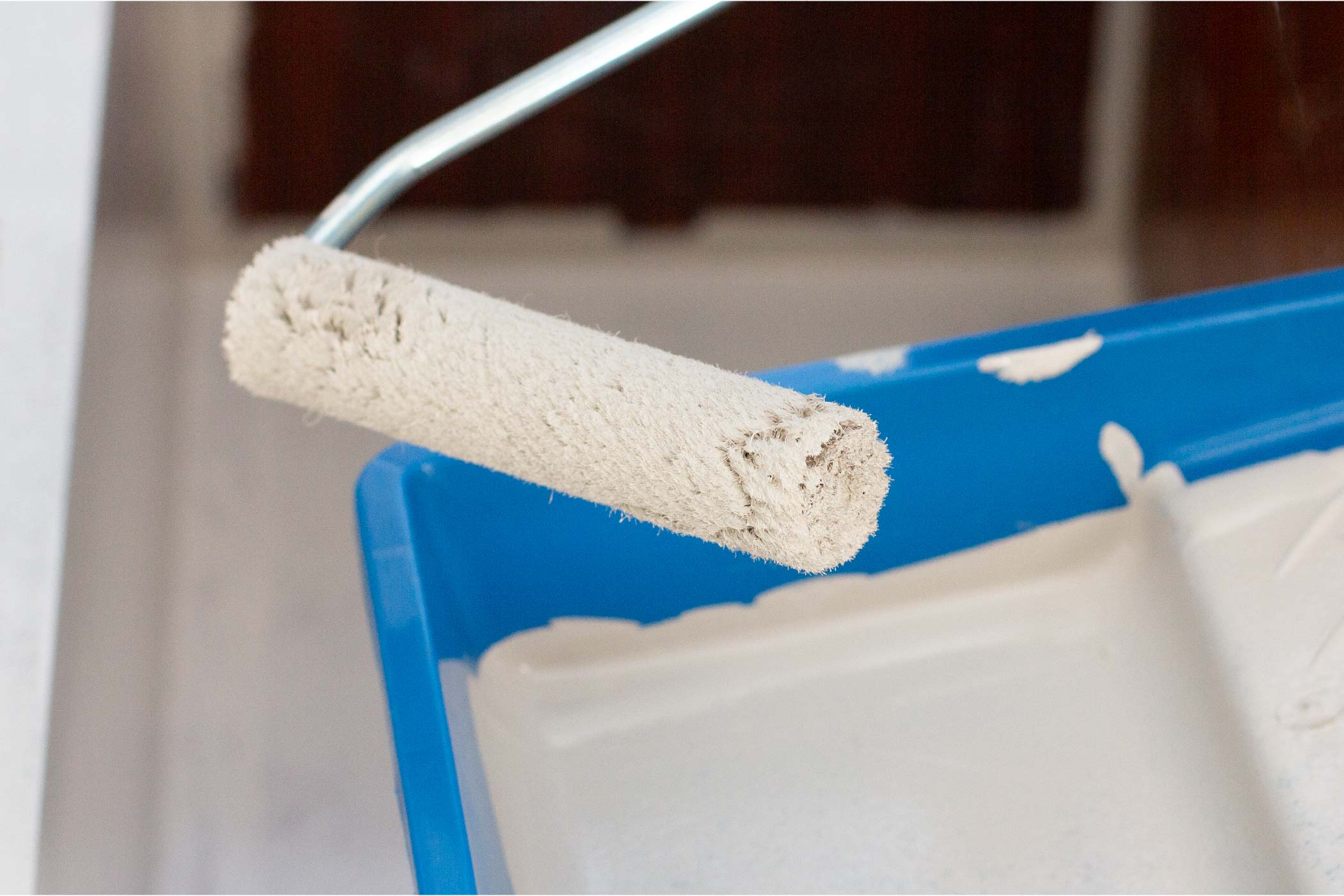
Paint Defects Become More Obvious After Furniture Arrives
Paintwork issues are often subtle but highly visible once furniture is in place. Here are some things to look out for:
-
Uneven colour patches
-
Roller marks or streaks
-
Paint drips or splatters
-
Unpainted edges or corners
-
Surface bubbling or peeling
Lighting conditions can affect how paint imperfections appear, so check under different angles and times of day too.
Some Defects Are Hidden in Plain Sight
Some defects are not immediately visible during a walkthrough. Hence, it is crucial to pay extra attention the following places:
-
Inside cabinet interiors
-
Behind doors and panels
-
Ceiling junctions and corners
-
Skirting alignment
-
Concealed storage compartments
-
These are often missed because homeowners focus only on visible surfaces.

A Proper Defects List Prevents Future Disputes
A defects list can help document flaws that require further touch up and to ensure that the contractor or interior designer fixes them, as well as to help prevent disputes. As such, a proper defects list should include:
-
Room-by-room organisation, supported with clear photos
-
Specific in descriptions that are shared with your contractor or ID in writing
Examples:
“Kitchen cabinet left door not aligned”
“Master bathroom tap water pressure low”
“Living room paint uneven near ceiling corner”
Clarity improves rectification speed, accountability and prevents disputes.
The Documents Homeowners Often Forget to Keep
Before closing your renovation, ensure you keep a copy of the following:
-
Approved renovation drawings
-
Variation order records
-
Warranties (workmanship and appliances)
-
Material specifications
-
Final invoices
-
Care and maintenance instructions
These documents are important for future repairs, resale value and warranty claims.
The Final Payment Should Never Be Rushed
The final payment should only be made when:
-
All agreed works are completed
-
Defects have been acknowledged
-
Rectification timeline is confirmed
-
Essential documentation is received
Once final payment is released, homeowners typically lose most of their practical negotiation leverage. This is why unresolved defects, incomplete touch-ups or undocumented promises should never be casually brushed aside during handover. As such, it is crucial to ensure that everything is in order before the final payment is released.

A Well-Executed Handover Is About Clarity, Not Perfection
Renovation handover is not simply about finding flaws. It is about ensuring the home you paid for is properly completed, documented and ready for daily living.
A careful inspection before final payment can prevent months of unnecessary rectifications, disputes and homeowner frustration later.
Frequently Asked Questions About Renovation Handover in Singapore
When should homeowners do the handover inspection?
Handover inspection should be done before final payment is released and after all renovation works are declared completed.
What should be included in a renovation defects list?
It should include visible and functional issues such as carpentry defects, electrical faults, paint issues and plumbing problems, supported with photos and written descriptions.
Can homeowners withhold final payment if defects are found?
Payment is usually tied to completion milestones, but minor defects are typically rectified during the agreed defect liability period depending on contract terms.
Why is documentation important during handover?
Documentation ensures accountability and helps track agreed works, especially when disputes or follow-up rectifications arise.


